
50%
OffWhen you eat meat, choosing organic is especially important, because meat production can have cascading effects on human health, animal welfare, and the environment. There is a long chain of resources that support the animals used for meat production.
View More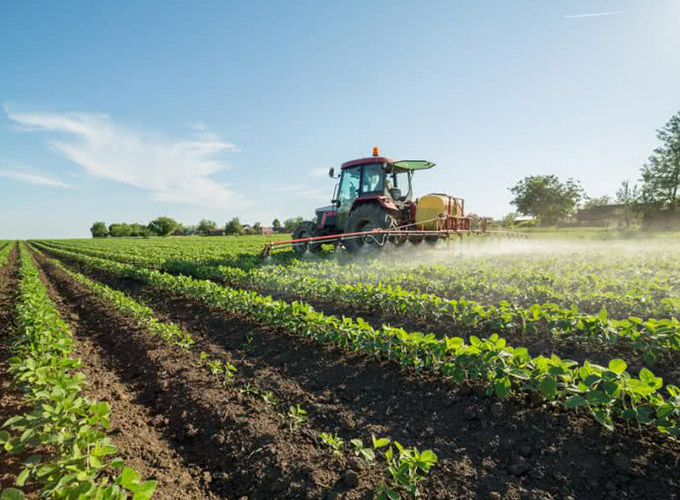
Organic farming is agriculture that makes healthy food, healthy soils, healthy plants, and healthy environments a priority, along with crop productivity. Organic farmers use biological fertilizer inputs and management practices such as cover cropping and crop rotation to improve soil quality and build organic soil matter. By increasing the amount of organic matter in the soil, organic farmers enhance the soil’s ability to absorb water, reducing the impacts of drought and flooding. Improving soil organic matter also helps it to absorb and store carbon and other nutrients need to grow healthy crops, which, in turn, are better able to resist insects and diseases.
Organic farms use production practices with environmental benefits such as water management practices, no-till or minimum tillage, habitat maintenance for beneficial insects and vertebrates, and biological pest control. These ecologically protective practices contribute to enhanced ecosystem services and benefit water quality, soil health, and biodiversity.
Using biological forms of fertilizer such as compost, animal manures, and legume cover crops, builds soil organic matter, even when routine tillage is used for weed control. Building soil organic matter increases soil water retention and nurtures more active soil microbial communities that retain nitrogen in the soil longer and transform it into non-leachable gaseous forms. There is a small but telling body of research in the US that suggests that improved soil quality influences the ability of crops to withstand or repel insect attack and plant disease.
Farm data from USDA producer surveys show organic crop yields may be lower than those of conventional production. The yield differences estimated from USDA farm data are similar to those estimated by comparing USDA’s 2011 Certified Organic Production Survey with USDA’s 2011 Crop Production Report. The yield differences revealed by survey data may be due to the unique problems encountered by organic systems outside of the experimental setting, such as effective weed control.
we work to foster the improvement and widespread adoption of organic farming systems...